












News

RE Through Recreation: Reflections on the Winter Movie Media Meet-Up Series
- Details
- Category: Stories & Highlights
by Fawn Logan-Young
Recreation Nova Scotia and the Mi'kmaw Native Friendship Centre's Every One Every Day Program came together with a shared intention: to create space for deeper learning, reflection, and action around decolonization and anti-racism in recreation.
What emerged through the Movie Media Meet-Up series was far more than a set of film screenings. It became a meaningful community of practice, grounded in relationship-building, storytelling, and a willingness to ask difficult but necessary questions.
As co-facilitators, Hank Barker and I set out to use Canadian media as a catalyst for exploring colonial and racial barriers in recreation and the outdoors, while supporting participants to move toward tangible change in their own communities. Over four in-person sessions, we witnessed how powerful the combination of film and dialogue can be.
Each gathering invited participants to engage with a different lens. From environmental racism to colonial control, from reconnection to land to expressions of joy and resistance, the films helped ground complex ideas in lived experience and challenged many of us to reconsider what recreation truly means, and who it has historically been designed for.
Early sessions focused on access: who has safe, clean, and welcoming spaces to gather, play, and connect with the land. Participants reflected on how far we have come, while also acknowledging that environmental and social inequities continue to shape recreational opportunities across Nova Scotia. As the series progressed, conversations expanded further to specifically examine how historical systems of control continue to echo in present-day recreation structures, influencing anything from funding and policies to programming design.
One of the most powerful threads across all four sessions was the idea of reconnection through recreation. Through personal stories of land, water, and cultural practices, participants began to reimagine recreation as something more expansive. Something rooted in relationship, identity, and wellness. We spoke often about "body memory": the sense of familiarity and belonging that can arise when engaging in activities tied to ancestry and land, whether canoeing, being near water, or simply spending time outdoors.
At the same time, we acknowledged that for some communities, particularly Indigenous and African Nova Scotian communities, access to these spaces has been historically restricted or hindered and the intergenerational impacts can be witnessed today.
The North Preston Surf Program, featured in Freedom Swell, offered a powerful example of these impacts being addressed: by using surf as a catalyst, the program gave participants navigating intergenerational trauma - including deep-rooted barriers around water and access - opened pathways to mental and social resilience, self-determination, and community leadership. It illustrated how intentional investment in recreation can create ripple effects that touch health, identity, and opportunity in ways that extend far beyond the activity itself.
Discussions also acknowledged the current realities facing the sector, like funding challenges and shifting priorities, reinforcing the importance of advocating for recreation not as a luxury, but as an essential component of individual and community well-being.
Throughout the series, participants consistently returned to a core truth: recreation holds the potential to reconnect us.
To ourselves.
To each other.
And to the land.
It creates space for silence and reflection in a fast-moving world, while also offering opportunities for learning, reciprocity, and relationship-building. Most importantly, participants left with a clearer sense of how they can contribute to more equitable and inclusive recreation. Whether through small shifts in programming, deeper engagement with community voices, or ongoing learning and unlearning.
One moment from the series that stays with me came when a participant paused to look at the word recreation itself. Break "recreation" down to its roots, they pointed out, and you find something quietly profound: re and creation. To recreate. To create again. In that reframing, recreation stops being about leisure or programming or structured activity… It becomes an act of renewal and resilience. For communities that have experienced disconnection from land, culture, and identity, that idea carries real weight. Recreation, understood this way, is not just about filling time or building fitness. It is about reclaiming, restoring, and reimagining. It is about returning to something essential and rebuilding it on your own terms. Perhaps that is the most honest definition of what this series was really about.
This series is only one step in a much larger journey. But it has shown us what is possible when we come together with openness, curiosity, and a commitment to doing better.
For everyone, every day.
Fawn Logan-Young,
Projects, Equity and Anti-Racism Coordinator

Community Use of Schools
- Details
- Category: News
Community Use of Schools Issue Mapping
With leadership and collaboration from recreation colleagues in municipal and provincial government, we were glad to support an in-person workshop focused on defining and analyzing the core issue with Community Use of Schools in Nova Scotia.
An online survey was conducted in Sept-November 2025 with 117 unique responses recorded. What came from the survey highlighted that whilst overall access was often there, key challenges exist in areas such as booking systems, access to different school areas other than gymnasiums, and with adoption or use of agreements between parties.
To dive deeper into the topic, 15-20 recreation professionals explored the core issue for Community Use of Schools for municipal recreation. The group sought to determine root causes and effects of the core issue, and began to map potential actions and priority areas of focus.
Continuing to move forward, we invite those who attended and others interested to join online on April 30th to determine strategic actions based on the information gathered so far. The session will be held virtually via MS Teams from 1-2.30pm.
If you are interested in joing on April 30th, or for any further information, please reach out to Lisa at
Background
For Recreation Nova Scotia, the issue of inconsistent, inequitable, or challenging access to schools for community use has risen as a key priority to address. Althogh not necessaruly a new issue, certain challenges have been exacerbated in recent years and with increased demand on recreation facilities the potential for improved access to schools for community use is heightened. In a planning session at the RNS Conference in Antigonish in October 2024, Community Use of Schools was brought up by attendees as a key priorities for the sector. In February 2025, RNS raised the issue when meeting the Minister of Communities, Culture, Tourism, and Heritage (CCTH) to bring attention to the issue seeking cross-departmental collaboration to address with the recreation sector at the table.
With the survey in late 2025, our goal was to better understand the challenges and differences in how recreation departments and groups can access school facilities. We are now looking forward to understand the core issues in more depth and identify strategic actions moving forward.

Collecting Stories of Impact - Provincial Budget 2026-27
- Details
- Category: News
Share how the proposed Provincial budget cuts may impact recreation in your community.
What We Need from You:
- What programs or services are funded (e.g., Active Living, community grants, local initiatives)
- Who is impacted (how many people, which groups, how often)
- What participation looks like (e.g., weekly programs, seasonal events, drop-in access)
- What would change if funding is reduced or lost

- A key support for managing physical and mental health
- A way to stay connected, especially in rural communities
- A foundation for inclusive, accessible programming
- A driver of community pride, belonging, and even local economic stability
- People may face increased isolation, reduced activity, and declining health
- Programs built with community trust could disappear
- Organizations may be forced to raise fees or cut services altogether
- Rural communities could lose vital opportunities that help keep people living and thriving locally
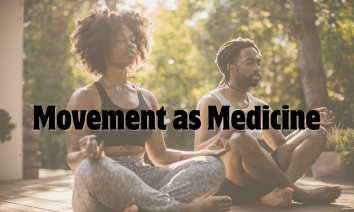
Movement as Medicine: Healing Stored Trauma Through Kemetic Yoga
- Details
- Category: Stories & Highlights
A reflection on training, trauma healing through movement, and embodied liberation.
By Fantanesh Attomsa
Hello colleagues, professionals, advocates, students, and community stakeholders,
My name is Fantanesh Attomsa and I am the Regional Physical Activity Consultant (RPAC) for Central Region. I am grateful to share a brief reflection following my recent completion of Kemetic Yoga Teacher Training—and to extend sincere thanks to Recreation Nova Scotia for supporting my participation in this learning.
This unique training offered more than just a technique - it deepened my understanding of something many of us witness across recreation, health, and community care: movement is not an “add-on” to wellbeing – it is a core pathway for processing stored trauma and experiencing true healing and liberation.
Movement as a pathway for processing stored trauma
Trauma—whether acute, chronic, personal, or collective—is stored in different ways throughout the body: in breath patterns, muscle tension, posture, and nervous system activation. For many people, especially those navigating ongoing stress and systemic inequities, the body remains in a state of hypervigilance.
Trauma-informed movement practices can support:
- nervous system regulation and a felt sense of safety within the mind and body
- reconnection to the body (introspection, breath awareness, grounded presence)
- release of chronic tension held in common trauma areas (jaw, shoulders, hips, pelvic bowl)
- improved emotional processing through embodied awareness and rhythm
Movement is an opportunity to create conditions where the body can soften, reorganize, and return to itself at its own pace.
Why Kemetic Yoga matters—especially for Black bodies
Kemetic Yoga is a culturally grounded system rooted in ancient African (Kemetic/Egyptian) philosophy, symbolism, and postures. In the context of community recreation and wellness, it offers something practical and profound as a movement practice that is liberating, identity-affirming, and culturally resonant.
For Black communities in particular, Kemetic Yoga supports healing from racial trauma in ways that are mentally, physically and spiritually healing. Racial trauma—experienced directly and/or carried through generations—shapes how safety, rest, breath, and belonging are felt in the body.
Kemetic Yoga is a practice of:
- embodied regulation through breath, posture, and intentional sequencing that is not focused on performance but rather connection (slow, rhythmic, fluid, visualization)
- cultural remembrance and reconnection—a return to practices that reflect us and our ancient wisdom
- representation and restoration—seeing Blackness depicted as Divine source, and used throughout the practice through visualization and poses that honor our history and spirituality
- liberation through self-actualization—moving beyond survival into joy, vitality, and understanding our true identity
Kemetic Yoga transcends a physical practice and provides a culturally grounded, spiritually resonant, and historically rooted system that invites us to return to ourselves with reverence.
This movement practice offers a unique healing system that reminds us that our history and practices extend deeply into ancient civilizations—into sacred text, symbols, ways of movement, ways of living, and ways of nourishing ourselves that support vitality across this lifespan and the next. Through cultural representation throughout the practice and intentional movement, Kemetic Yoga heals and unifies the mind, body, and an integral piece of Black culture and healing – the Spirit.
The training reinforced a powerful truth: healing is not something we need to create or search for, it is something we can return to. Connecting to our own powerful history and truth allows us to see ourselves for who we truly are, creating the optimal environment for deep, cellular and soul healing. Seeing ourselves represented in ancient texts, symbols, and ways of moving, we can find frameworks that nourish our cultural, mental, spiritual, and physical wellness.
Reflections for our sector
As a sector, recreation holds a unique role: we are often the most accessible entry point to wellbeing. This experience strengthened my belief that culturally grounded, trauma-informed movement belongs in our strategic conversations. Whether through Kemetic Yoga or other identity-affirming practices, representation in physical activity and recreation is not just a trend, but as a legitimate and necessary approach to community care and well-being.
I encourage us all to renew our commitment to:
- centering safety, nervous system support and trauma awareness in movement spaces
- advocating for culturally responsive practices that reflect the communities we serve
- continuing to learn, share, and contribute to culturally-informed approaches within recreation and wellness
Thank you again to Recreation Nova Scotia for their support in my professional development. I’m grateful for the investment in learning that strengthens our collective capacity to serve communities with care, cultural understanding, and integrity.
With gratitude,
Fantanesh Attomsa
If you are interested in learning more about the practice of Kemetic Yoga, feel free to check out these videos:
Pt.1: Sacred Breath:Kemetic Yoga Breathing Exercises to Strengthen Breath & Connect With Life Energy
Pt.2 Sacred Breath:Kemetic Yoga Breathing Exercises to Strengthen Breath & Connect With Life Energy
Kemetic Yoga: T'eken Sequence, Maat Ka, Pose of Immortality, Peaceful Warrior Pose, Goddess Pose
Kemetic Yoga: Sun Salutation, Sesh Pose, & Other Foundational Poses/Benefits
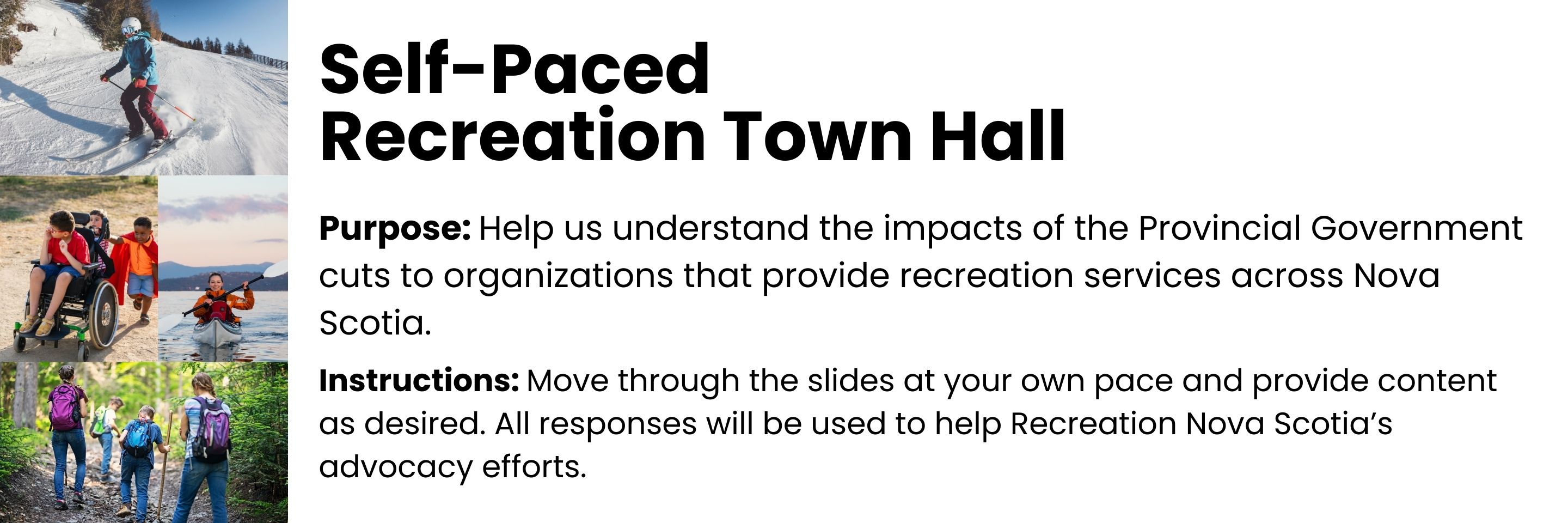
Self-Paced Recreation Town Hall
- Details
- Category: News
- Fewer accessible recreation opportunities for seniors
- Fewer options for arts and cultural programming
- Fewer youth sports programs
- Fewer community events
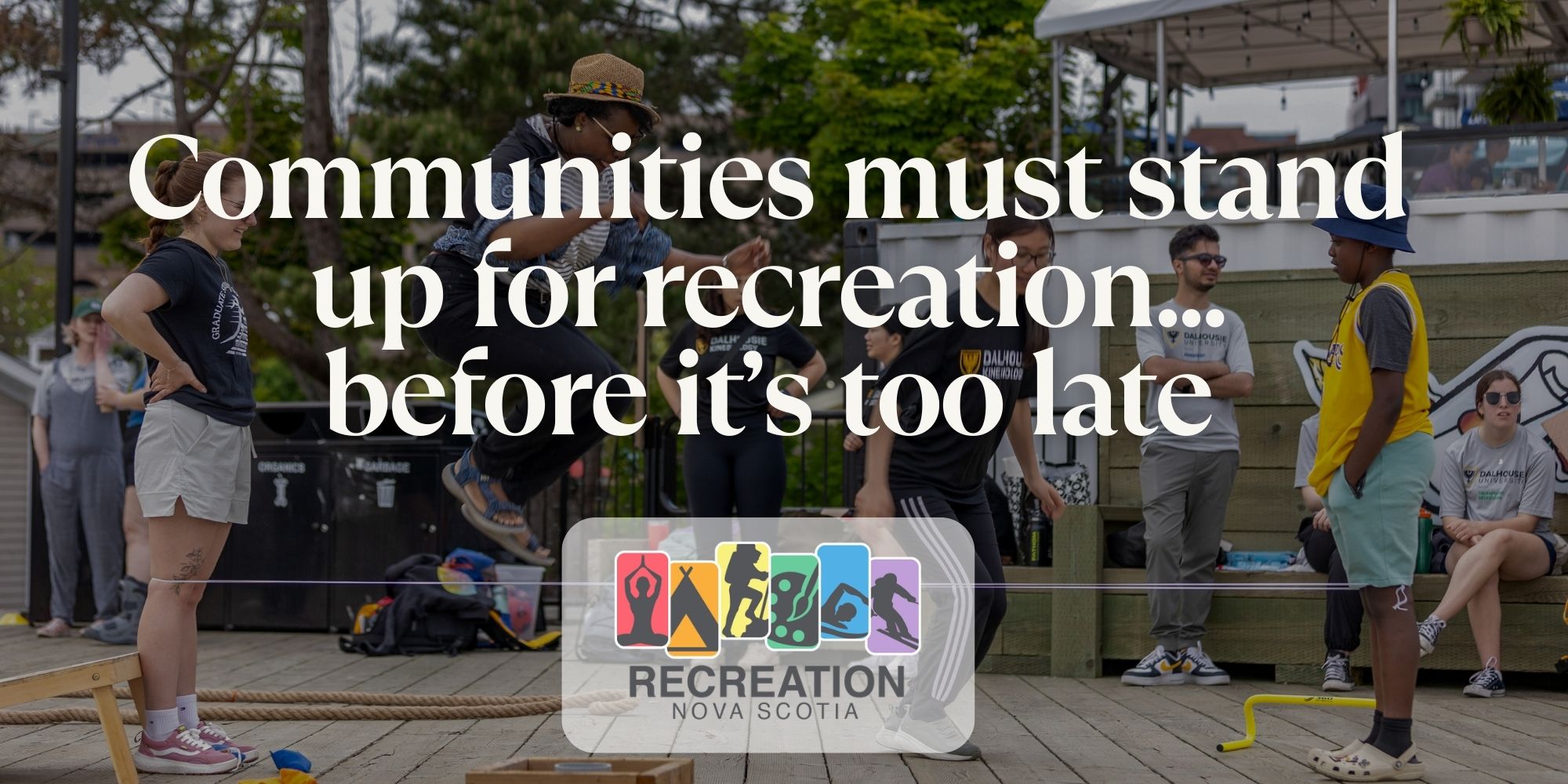
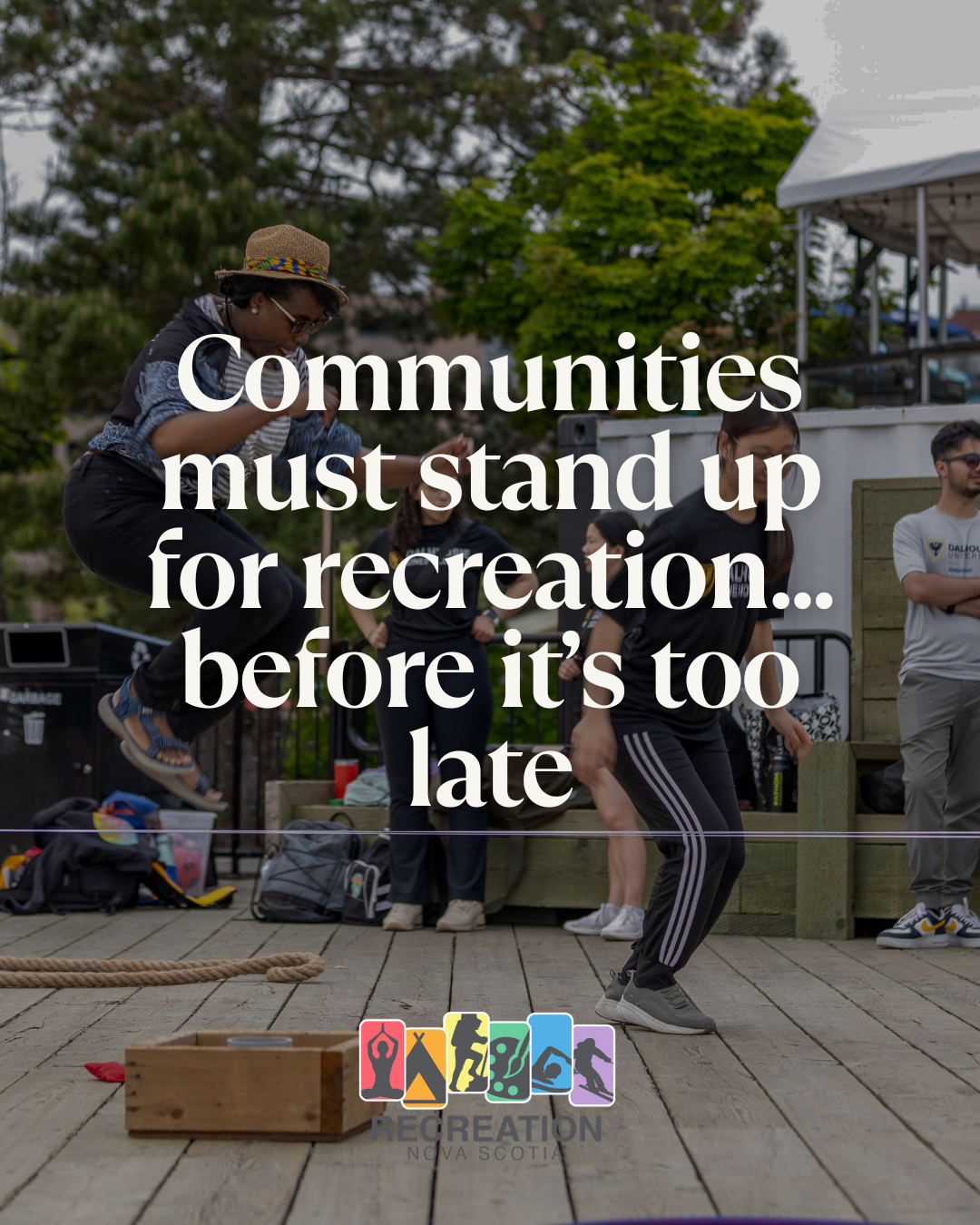
Stand Up for Recreation Before It's Too Late
- Details
- Category: News
Communities across Nova Scotia are facing a moment that will shape the future of recreation, sport, arts, and culture in our province for years to come.
The provincial budget currently before the Legislature proposes deep reductions to funding within the Department of Communities, Culture, Tourism and Heritage. These cuts span 72 grant programs, some with partial cuts and others fully eliminated totalling an investment reduction of $14 million. Included in this is a 50% reduction (approx. $600,000) to the Active Communities Fund, a fund to support communities encourage movement, and a 20% reduction to provincial recreation and sport organizations’ core funding.
While these numbers may appear abstract on paper, their consequences are anything but. These reductions will be felt in communities across Nova Scotia — in fewer recreation programs, reduced opportunities for youth sports, diminished activities for seniors, and fewer community events that bring people together.
Community recreation programs are not luxuries. They are essential pieces of the social infrastructure that keep people healthy, connected, and engaged. Recreation opportunities help prevent chronic diseases, support mental health, reduce social isolation, and create spaces where people of all ages can participate in community life.
At a time when Nova Scotia’s health care system is already under significant strain, cutting programs that help people stay active and well is deeply concerning. Prevention is one of the most effective ways to reduce long-term pressure on hospitals and emergency rooms. When recreation opportunities disappear, the costs do not vanish — they shift downstream into our health care system.
These cuts will also hit rural communities especially hard. In many towns and villages, recreation programs exist because of a combination of volunteer dedication and modest provincial grants. Without those supports, many programs simply cannot continue.
Recreation programs for seniors, arts and cultural activities, seasonal camps for children and youth, community festivals and celebrations, and accessible recreation opportunities for families could all be affected.
For decades, Nova Scotia’s recreation sector of professionals and volunteers has worked with municipalities, volunteers, and community organizations to build spaces and programs that strengthen communities and improve quality of life. These programs represent one of the most effective and affordable investments government can make in public health and community wellbeing.
But right now, those programs and spaces are at real risk.
This is why communities across the province must speak up.
If recreation has made a difference in your life — if your children have played sports, if your parents have participated in senior fitness programs, if you’ve enjoyed walking your dog on the trail, if your community has come together through recreation events — now is the time to make your voice heard.
We encourage Nova Scotians to reach out to their elected representatives and share why recreation matters in their communities. Tell them how recreation programs support the health of your family, the vitality of your community, and the opportunities available to the next generation.
The decisions being made today will shape the strength and wellbeing of our communities tomorrow.
If we want vibrant, healthy, connected communities across Nova Scotia, we must stand up for recreation now — before it is too late.
Contact your MLA and tell them why recreation matters in your community. Find your MLA here and call or email using our document letter template here(15 KB) .